Magnetic board

The Negative Impact of Screens: Why is a Magnetic Whiteboard for Kids Better than a Slide Projector?

 In the era of intensive digitalization in which we live, the traces of time are also evident in the educational system. Schools and kindergartens are becoming increasingly digitalized, which provides advantages in administration and a wealth of new options for animating and motivating children. So are times improving and becoming more favorable for children from year to year? It is true that digitalization in administration is extremely important and useful, but when it comes to digitalizing children, it is worth being a little more moderate, because every coin has two sides.

Children should avoid screens

Animating and motivating children is a task that requires a person with passion and talent to be able to carry out the noble work of educating future generations. In today’s instant world, full of “tutorials” and campaigns, there are digital contents that are supposed to replace and facilitate the role of the educator. Digital educators help themselves with visual effects and create attractive contents for the little ones, but is this content even suitable for our youngest?

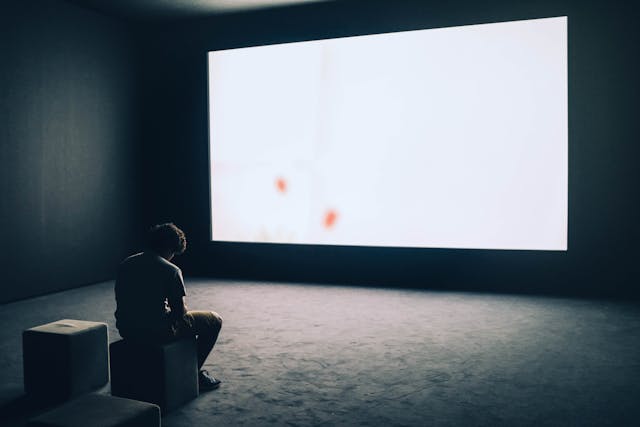
The answer is a clear NO . Leaving aside the content suitability and the discussion about values, the key is the first health aspect. Children must absolutely avoid screens if they want to maintain healthy eyes . The NIJZ recommends time limits for screen use for children. Children under 2 should not be exposed to screens at all. Children under 9 should spend up to one hour on screens, up to 12 years old up to an hour and a half a day, and up to 18 years old should spend a maximum of two hours a day on screens. You probably find the limits practically unfeasible, especially for teenagers, but it is certainly good that children spend as little time in front of screens as possible. How is it possible, then, that we adhere to this if we torture children for hours and hours in front of projectors at school? The answer is simple. We clearly should not have projectors at grade level, because according to the NIJZ, they are harmful to children.

Emotional and behavioral changes

The problem with screens is that they attract islands and when children start to get bored, they reach for them. Solitude in front of the screen and the fact that many children today are raised by screens leads to numerous emotional and educational changes in the child’s development. Problems arise in the areas of: development of speech-language communication, attention or hyperactivity, decreased empathy, negative impact on cognitive abilities, language development, social interactions, motor skills, the child’s sleep and emotional state.

It is therefore advisable to spend as much time with your child as possible, even if we often don’t have time due to work. If we don’t have time, try to distract your child with a physical toy that will be interesting and educational for them. As a last resort, at least provide parental control on the devices your child uses.

Good practice

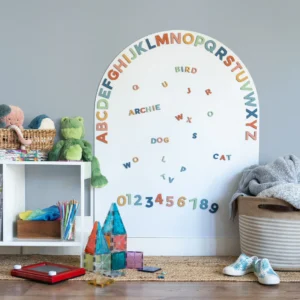
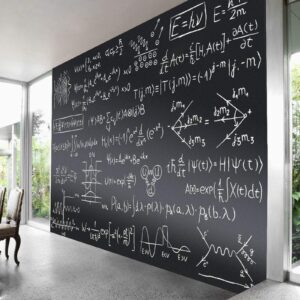
We all need to take care of good practice. Let it start in kindergarten and of course continue at home and later in school . Kindergartens and schools must set an example by using as many physical didactic aids for children as possible . When teaching, they should use magnetic boards and include children in the process of creation and active learning. By using magnetic boards, they care for the health of children and offer them additional physical experience. All necessary information about quality Slovenian magnetic boards can be found on our website .

Our best kids offer

Scroll to Top